
Brushstrokes against pulse pressure: the new power of art in the waiting room
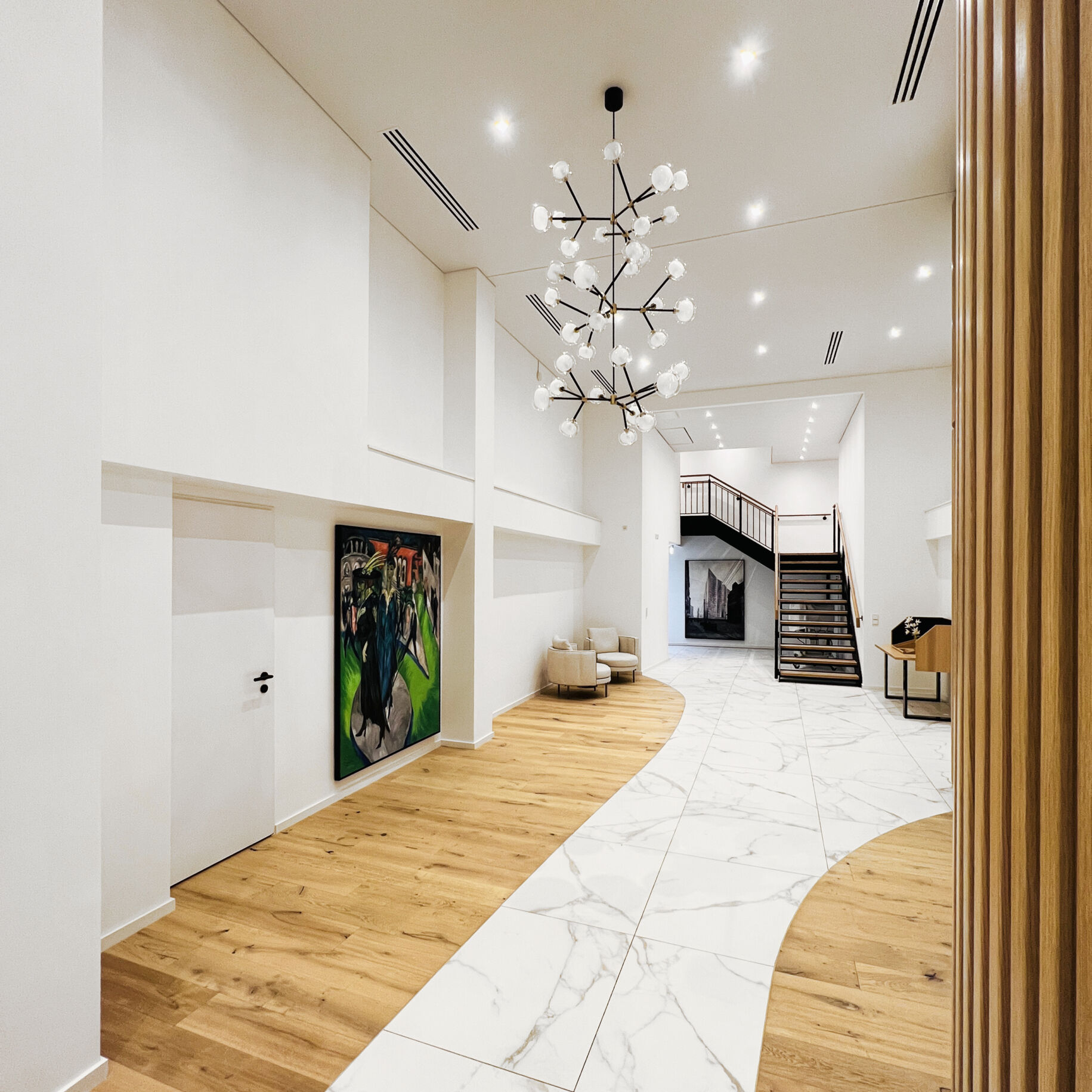
Arton the walls is as much a part of many surgeries as the smell of disinfectant. Increasingly, it is not just reproductions of well-known artists in inexpensive glass frames, but unique commissioned works. Ideally, the works are more than just decoration.
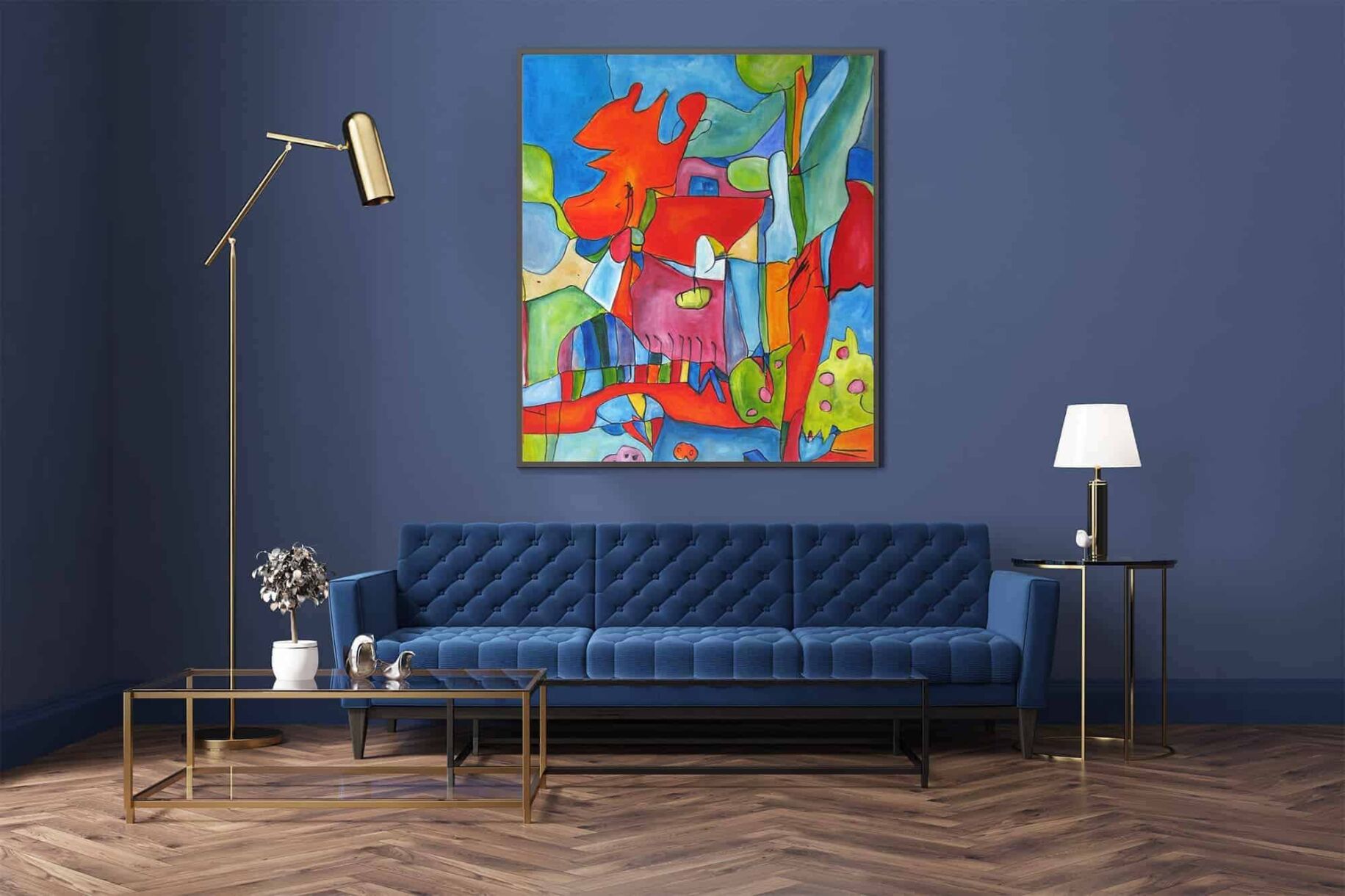
Munich, 20.02.2025. The telephone in a doctor's surgery in Berlin rings incessantly, impatient patients cough in the waiting room. In the midst of the hectic daily routine, the stressed receptionist's gaze falls on the large-format painting opposite her reception desk. The abstract oil painting is more than just decoration. With its vibrant colors and flowing brushstrokes, the work by commissioned painter Nikolaus Kriese is a symbol of the hectic pace of everyday life at the practice. It magically attracts the attention of patients and practice staff alike and at the same time puts the viewer in a state of inner balance.
Art as a healing facilitator: the therapeutic dimension of practice design
A unique work of art can be particularly enriching for medical practices, said Kriese. Whether modern pop art pictures for the dentist's office, abstract color compositions for gynecology, or harmonious landscapes for psychotherapy—ideally, the selection of works reflects the atmosphere that the practice wants to create. This conscious choice of art becomes a nonverbal channel of communication that tells patients, employees, and partners the story of the practice. "I try to understand the specific requirements of each practice. This allows me to design an individual work that is not only aesthetically pleasing but also contributes to a sense of well-being. Unlike standardized stock photos, each of my brushstrokes tells a story," explains commissioned painter Nikolaus Kriese.
Positive influence of original works

Acrylic painting Porsche
A 2006 study at the Mays Clinic at M.D. Anderson Hospital in Texas shows the measurable success of art in hospitals: 89 percent of patients rated the selected motifs positively. The artwork, which was specifically chosen for therapeutic rather than purely aesthetic reasons, was shown to reduce stress, provide positive distraction and improve the perceived quality of care. Both patients and staff reported a calming effect from the artworks, which gave the otherwise sterile-looking hospital a more homely atmosphere.
"At a time when healthcare facilities are becoming increasingly standardized and artificial intelligence and data processing are playing an ever greater role, unique analogue pieces make a powerful statement for patient-oriented and human medicine," explains Kriese.
Commissioned art from Egypt to L.A.
Not only doctors in Germany have recognized the added value, but also other entrepreneurs. "My commissions now come from all over the world," he says. In Los Angeles, for example, he painted a picture for Pipilotti Rist, and in Egypt, there is a picture of a Thyssen Krupp frigate for the Egyptian Navy. Art is well established in healthcare in general. This is also the case on the outer roof of the children's cancer ward at the Helios Clinic in Erfurt, where Krieses' motifs can be found.
Video calls and museum visits
Potential customers usually find out about the father of four via the Internet. For historical commissions, Kriese often travels to museums to view the originals. In his studio in Erfurt, he then works closely with his clients to create works of art that combine his professional expertise and creative vision.
Custom artwork by Nikolaus Kriese
Commissioned paintings and artwork for private collectors, companies, and architectural spaces—independently developed, precisely executed, and delivered internationally.
25+ years of studio experience · 5,000+ artworks created · Worldwide shipping
